
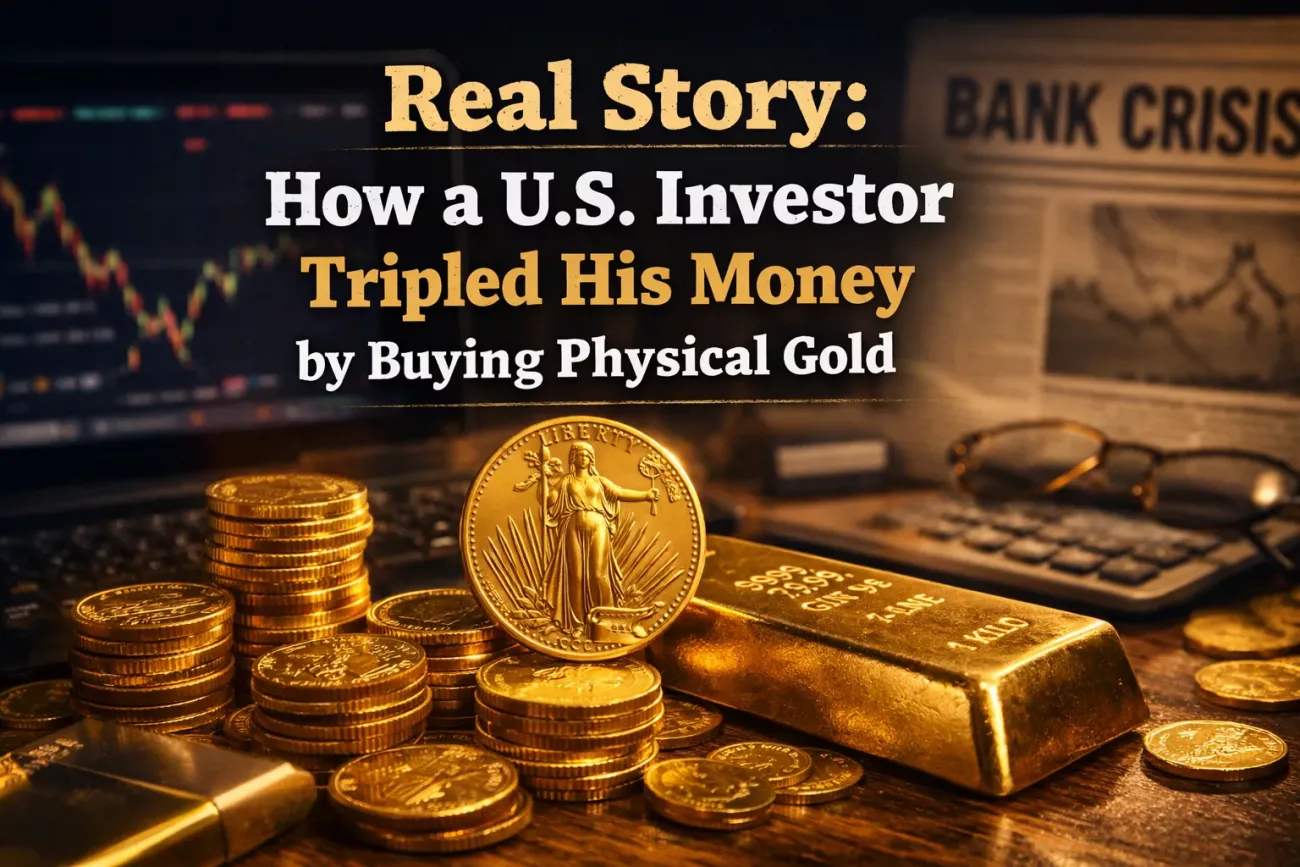
The Phone Call I Still Remember
I still remember the tone of his voice.
Not panicked. Not calm either. Somewhere in between the kind of voice you hear when someone’s trying hard not to admit they’re worried.
He called me on a Tuesday morning, right after the market opened. Said he’d been watching CNBC since 6 a.m. Futures were red. Banks were in the headlines again. Inflation numbers had come in hotter than expected. His 401(k) had taken another hit.
“I’m not trying to get rich,” he said.
“I just don’t want to lose what I’ve already worked for.”
That sentence? I’ve heard it hundreds of times over the last 15–20 years. Different voices. Same fear.
At the time, he wasn’t calling to buy gold. He was calling to understand it. And honestly, that’s how most real gold journeys begin.
Who He Was (And Why This Story Matters)
He wasn’t a hedge fund guy. No fancy finance background.
Mid-to-late 40s.
Worked in operations for a mid-sized manufacturing company.
Married. Two kids. Mortgage. College savings on his mind.
Up until then, he’d done everything “right.”
- Maxed out his 401(k)
- Owned a mix of index funds and blue-chip stocks
- Trusted the system because… well, that’s what you’re told to do
Gold? He’d never owned a single ounce.
He thought gold was for:
- Survivalists
- Doomsday types
- Or people with way more money than him
What pushed him over the edge wasn’t greed. It was exhaustion.
Every few years, there was a new crisis:
- 2008 didn’t fully break him, but it shook him
- COVID rattled him badly
- Rate hikes, bank failures, inflation eating his savings quietly
He told me something I hear all the time:
“It feels like the rules keep changing, but my money’s stuck playing the same game.”
Why He Chose Physical Gold (Not ETFs, Not Crypto)
We didn’t start with charts or price predictions.
We talked about ownership.
I asked him a simple question:
“If the system froze for a week, what do you actually own — without a password, without a broker, without permission?”
Silence.
That’s when physical gold started making sense to him.
Not ETFs.
Not paper claims.
Not something tied to a counterparty.
Physical gold is simple:
- You own it outright
- No one can dilute it
- No CEO can mismanage it
- No app can lock you out
He liked that it wasn’t trying to “beat” anything.
It just was.
Gold didn’t need to grow fast. It needed to hold ground while everything else felt shaky.
That’s a mindset shift most investors miss.
The First Purchase (Fear Was Real)
I’ll be honest he was nervous.
He kept asking:
- “What if I’m buying at the top?”
- “What if gold drops right after?”
- “What if this is a mistake?”
That fear never fully goes away. Even for seasoned investors.
He didn’t go all in. That’s important.
His first purchase was simple:
- A mix of 1 oz gold coins
- Some fractional pieces for flexibility
- Nothing exotic. Nothing flashy.
The market sentiment at the time?
Nobody was excited about gold.
Stocks were still “expected” to bounce back.
Gold wasn’t trending on social media.
No hype. Just quiet buying.
When he picked up his order, he said something that stuck with me:
“It feels weird but also solid.”
That’s physical gold in a sentence.
Holding When It Was Uncomfortable
This is where most people fail.
Gold doesn’t move like stocks.
It doesn’t give you dopamine hits.
There were months even years where nothing happened.
Then there were dips.
Headlines screamed:
- “Gold is dead money”
- “Why stocks still win long-term”
Friends told him he should sell and rotate back into equities.
He almost did.
More than once.
But here’s what kept him steady:
Gold wasn’t his trade. It was his anchor.
Every time markets shook, he slept a little better knowing part of his wealth wasn’t digital, leveraged, or dependent on someone else’s promise.
That peace matters more than people admit.
The Turning Point Nobody Times Perfectly
No bell rang.
No headline said, “This is it.”
But slowly, things shifted.
- Inflation stayed higher than expected
- The dollar weakened
- Global tensions piled up
- Central banks started buying gold quietly
Gold didn’t spike overnight.
It grinned higher.
Year after year, it did what it’s always done when confidence in paper assets gets shaky it reflected reality.
He didn’t panic-buy more.
He didn’t panic-sell either.
He just held.
That patience? That’s where the real money was made.
How the Money Actually Tripled (No Hype)
Let’s be clear.
He didn’t triple his money in a year.
He didn’t catch a lucky bottom.
He didn’t leverage anything.
He bought steadily, held through boredom, and added modestly during pullbacks.
Over a long stretch — through inflation cycles, currency pressure, and economic uncertainty — his average cost stayed reasonable while gold’s value rose.
When he finally sold part of his holdings years later, the math surprised him:
- Entry prices were far lower than current market levels
- The dollar had lost real purchasing power
- Gold had quietly compounded against that decline
The “triple” wasn’t magic.
It was time + discipline + understanding why he owned gold in the first place.
He never sold it all. That says a lot.
What Most Investors Get Wrong About Gold
I hear the same myths weekly.
“Gold doesn’t grow.”
It grows differently.
“It’s only for emergencies.”
No it’s for stability before emergencies.
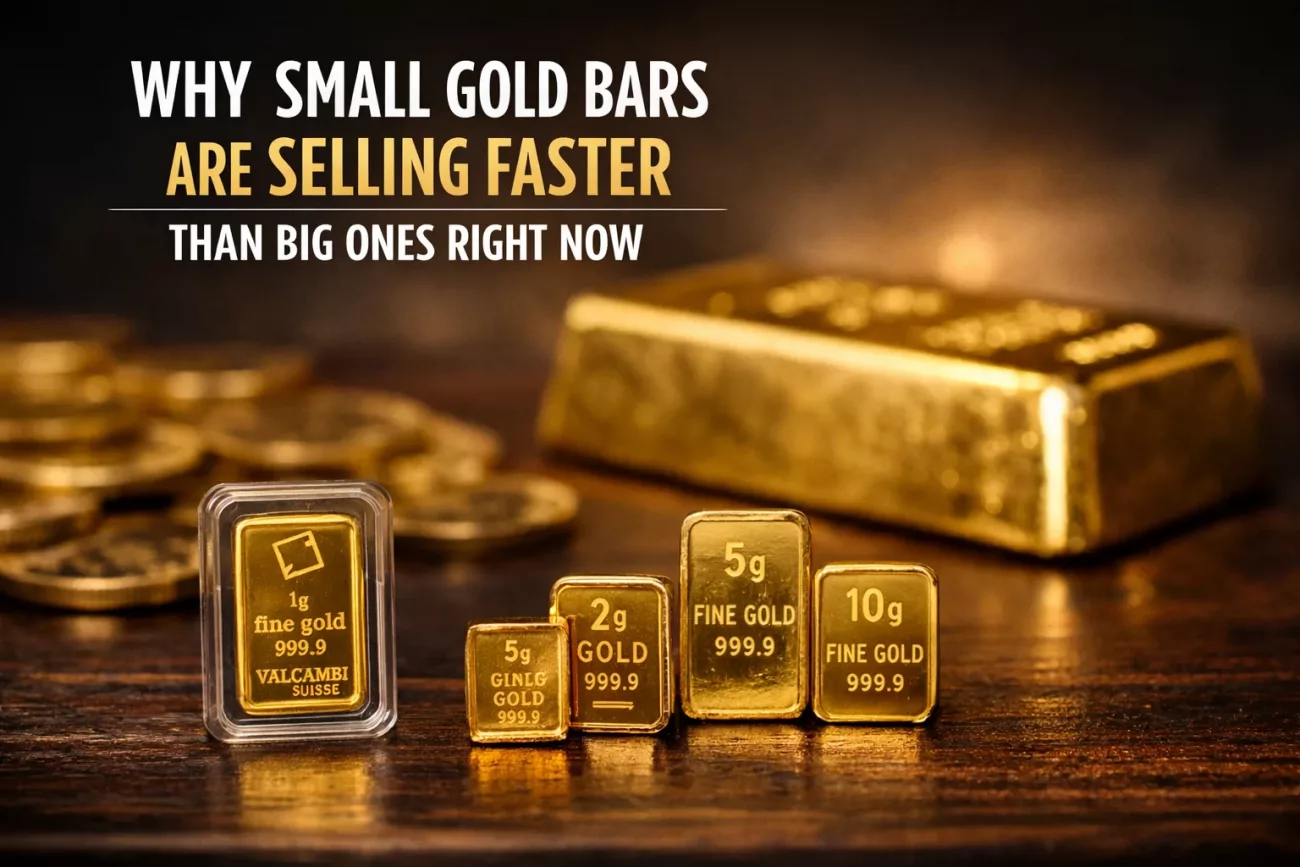
“You need a lot of money to start.”
You don’t. Fractional gold exists for a reason.
“Gold is outdated.”
Funny how central banks don’t think so.
Gold isn’t meant to replace everything.
It’s meant to balance everything.
The investors who struggle with gold are usually the ones expecting it to behave like a tech stock.
That’s not its job.
Lessons Any U.S. Investor Can Take From This
If you strip away the story, here’s what really mattered:
- Gold worked because it was held long-term
- Allocation mattered more than timing
- Physical ownership reduced emotional stress
- Smaller, thoughtful buys beat one big emotional move
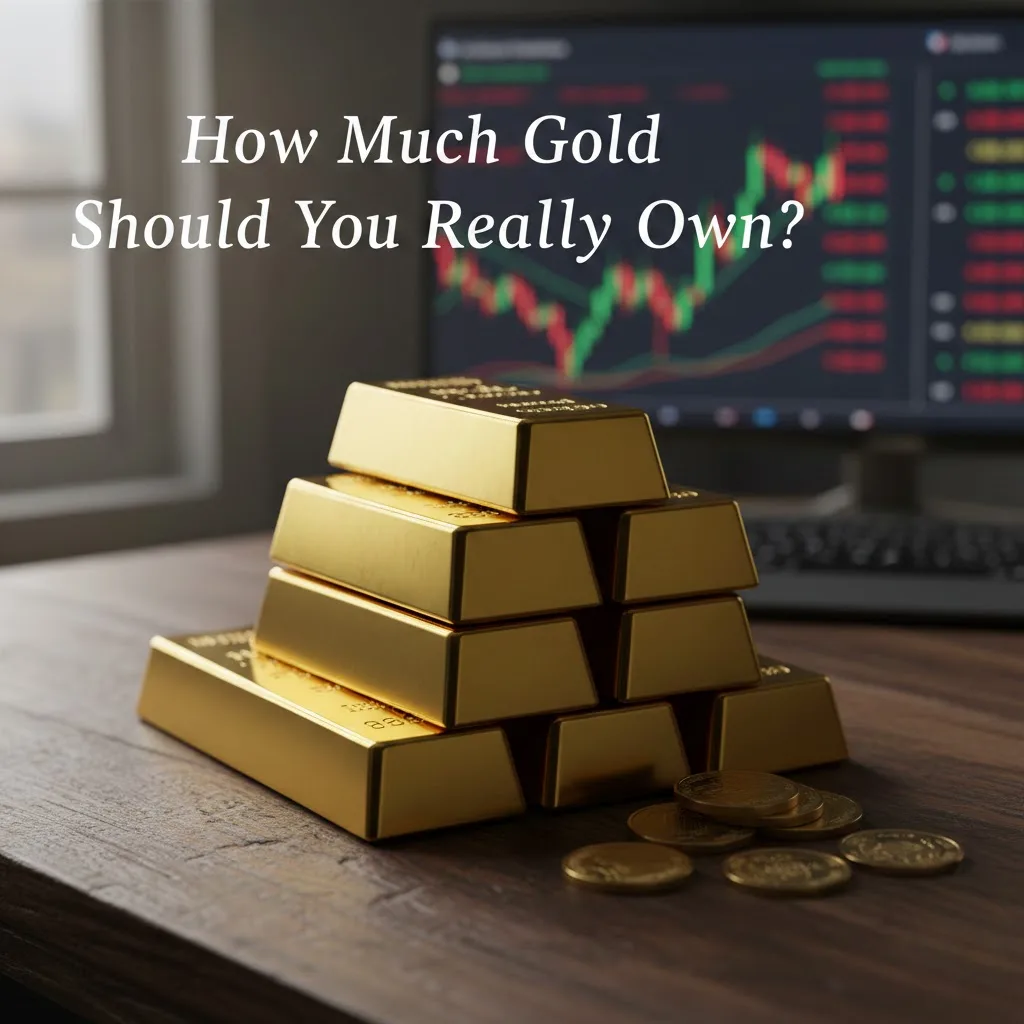
Most balanced portfolios I’ve seen hold 5-15% in physical metals depending on risk tolerance and life stage.
Coins vs bars?
Coins offer liquidity. Bars offer efficiency. Both have a place.
The key isn’t the product.
It’s trust.
Why the Dealer Matters More Than People Think
Here’s something most blogs won’t tell you.
Gold itself doesn’t fail investors.
Bad dealers do.
Overpricing.
Poor education.
Pressure tactics.
Confusing products.
At Bullion Fortune, we’ve always believed something simple:
If a client understands why they’re buying, they’ll never regret it.
No hard sells.
No panic language.
Just real conversations like the one that started this story.
That’s how long-term relationships are built.
A Quiet Ending (The Part People Skip)
He didn’t triple his money because he was lucky.
He did it because he didn’t chase noise.
He didn’t flinch when things got boring.
He didn’t let fear or hype make decisions for him.
Gold didn’t make him rich overnight.
It helped him stay steady when others weren’t.
And sometimes, that’s how real wealth is built.
Slowly. Quietly. Patiently.
The question isn’t whether gold works.
The real question is:
Will you give it enough time to do what it’s always done?



Leave a comment